The Fight Inside
In the months leading up to my move to Mozambique, I spent considerable time on physical and psychological preparations. Physical preparations included clothing, electronics, toiletries, and medical supplies all tailored to the climate and setting in which I would soon find myself. Psychological preparation included maintaining weekly therapy appointments with my counselor who had been working with me through my burnout in social work, my job search, my resignation, and my subsequent transition to a new phase in life. We talked through my hopes and my worries for my life in Africa, worked more on my personal mission statement, and reflected on the lessons from my past I would take into my future. Feeling confident my mental health was in a solid and stable place, my worries drifted to physical health concerns.
In the two years preceding the move, I had slowly made my way to the healthiest my body has ever been, spending all of 2024 losing 50 pounds and then most of 2025 putting on muscle. All through that time I rehauled my eating habits, my coping mechanisms, and my physical activity. Eventually, I began to finally feel a deep inner strength and started to see in the mirror who I always saw myself to be in my mind's eye. My fear of moving to the far reaches of East Africa was losing that progress either by disease or injury, which held the possibility of permanent disability or chronic illness. In my research, I am warned about Malaria, Typhoid, snakes, spiders, motorcycles, and general lack of medical care. The CDC even recommended I get a Polio booster, because apparently I would be living so far from developed civilization, that Polio still lives there. In my medical kit I pack western remedies for fungus, bacteria, diarrhea, parasites, stings, and first aid that could patch up any minor injuries. In my duffel I have my travel exercise mat, some workout clothes, and my favorite book of yoga poses. I feel as prepared as I could be, but Africa rarely takes you along the path you plan.
Other than some minor illnesses, I was surprisingly healthy through the first three months in Mozambique. The temperature was a transition for my body, certainly. I spent a few weeks figuring out how to properly hydrate and my skin took time to adjust to all the sun. My stomach went through a similar period of acclimation, which after a few weeks on some local probiotics settled into a comfortable routine. Everything was going quite well with my health, until during my trip to Cape Town I start experiencing itchy hives on different areas of my body. They are uncomfortable, but not debilitating. I gained a bit of weight during our two weeks eating like gluttons in South Africa and figure my clothes are just fitting a bit tight. After returning home, the rashes progressively get worse over the following weeks. They migrate all over my body, but mainly cluster around my torso. I start taking pictures when I can and send them to our medical consultant back in the states. She throws out ideas like contact irritation, allergic reaction, heat rash, even scabies. As the rashes worsen, I start to take more drastic action. I am hyper vigilant to any possible factor that may be causing the deterioration of my skin. I systematically investigate changes in laundry soap, body soap, clothing, lotion, food, sun exposure, even water. I am determined to find the cause of this itching.
The rashes come day or night without warning. I quickly come to realize that even a little scratch on the rash leads to angry, red, swollen skin that is even more painfully itchy. I also begin to develop acne, which I haven't really struggled with since adolescence. A large portion of my days are spent resisting the urge to scratch all the little rashes under my clothes or pick at my face. I am grateful that packed in my med kit I have body powder, cortisone cream, and benadryl, all of which I use to try to manage the discomfort in those early weeks. I get advice to find some Cetrizine, which I am able to procure at a pharmacy in Nampula. I'm taking it twice per day, which is clearing up my skin and providing me some much needed relief. Along with the relief, though, are the side effects. I am sleeping 10-12 hours per day and still waking up tired. I walk through the mornings in a fog and struggle to focus during language class. The sleepiness affects my ability to communicate and then starts to reduce my motivation to go outside at all. I also begin to experience heartburn for the first time in my life, and I now understand why people complain so much about it. Sharp burning all along my sternum initially makes me think I am having an anxiety attack, then when I do some googling I realize it is my own stomach acid. Even with the unfortunate new symptoms, I am glad to get a break from the hives.
I try to reduce the Cetrizine dose, but the rashes come back with a vengeance each time. My appetite has also increased and I start to have intense sugar cravings. One night, I licked my finger and dipped it into my sugar jar, eating the granules straight off my skin. I stare at my hand in disbelief afterwards, wondering what the hell is going on inside my brain. After over a month of fighting with my skin, I start to notice other changes in my body. Everything has been swelling at a rate slow enough I wasn't noticing on a day-to-day basis. I notice my face is rounder, my stomach is fuller, and my ankles aren't showing my bones anymore. The worst part is that my wardrobe is dwindling by the day as more and more items aren't fitting me anymore. It is hard to know what is weight gain and what is swelling, but looking at my face in the mirror is beginning to cause distress because I don't see me.
Six weeks into the fight, my skin has become so sensitive on my torso that I cannot wear my bras or underwear without intense pain. I decide to brave some clothing shopping in Nampula in order to find some new outfits which can fit loosely or be worn without undergarments. I have been wanting to build a local wardrobe here, and this is a good excuse to do so even if it is under unfortunate circumstances. Since living here, I get a lot of comments from women in the village that my pants are manly and I need to wear skirts. My perspective when I left the US was that I am an American, and I am fine with just looking like an American. However, after just a couple months of living here I realize how important clothing is to the culture here, especially in the village and particularly for women.
I have acquired two traditional capulana skirts at this point, and get really positive responses when I wear them. For the first few tries, I felt like I was wearing a costume. But, I challenged myself to wear the capulana at least once per week so that I could get used to it. As the weeks go on, I come to realize how practical these skirts are. They are a garment, a towel, a blanket, a pot holder, a baby sling, and so much more. They are also surprisingly practical for motorcycle riding, as the wrap-style allows the skirt to split apart, comfortably covering both legs. Most importantly, the self-wrap method makes them adjustable. You can wear the same skirt underweight, bloated, or pregnant. This is critically important for my current state of health.
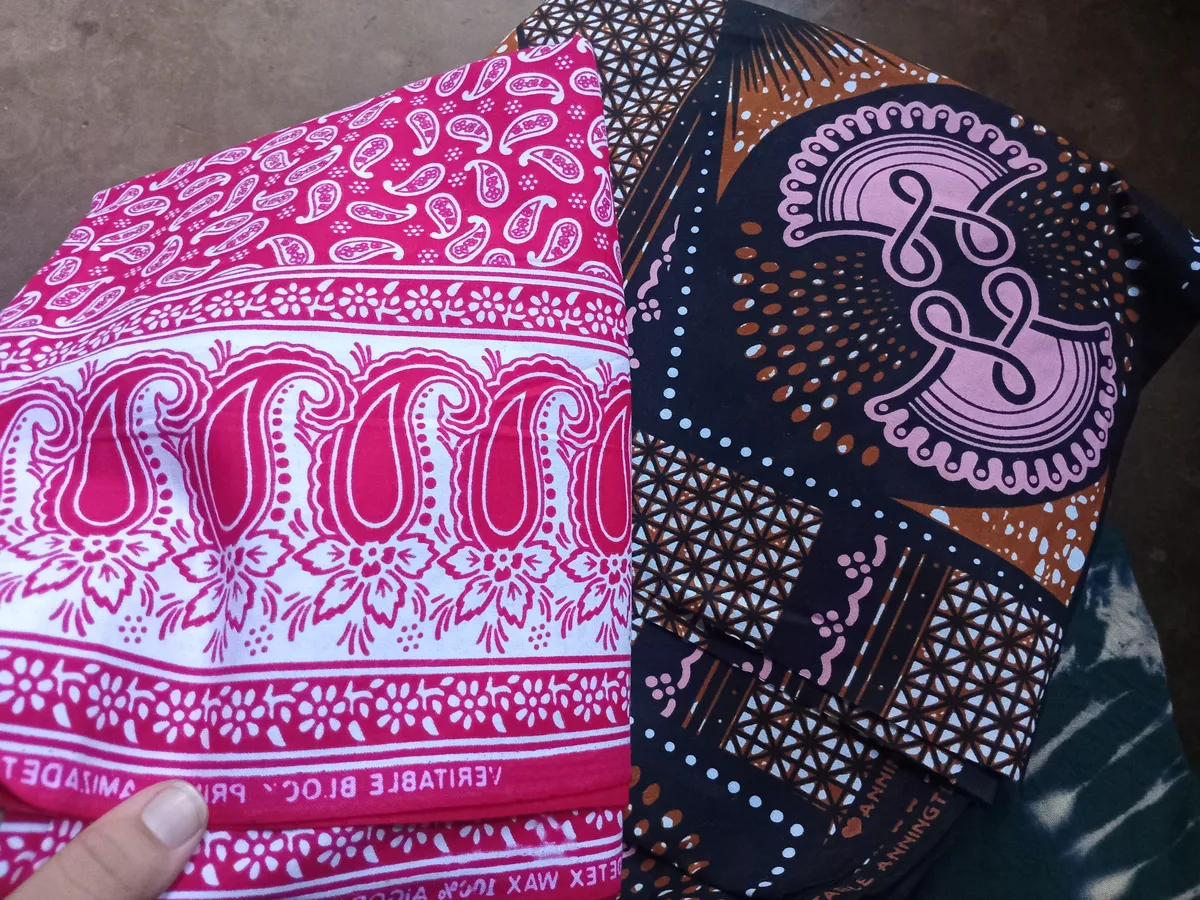
On two different mornings in Nampula, I go to explore the large clothing market in order to find some garments that can give me some relief. The origin stories of the clothing of Nampula would be a gripping book or documentary. I would love to know the details of how it all gets here. Some clothing is cheap knock-offs of big brands like Louis Vuitton, Gucci, Supreme, Nike, etc. Some are strange amalgamations of famous characters from Disney, Pokemon, or Looney Tunes mixed with broken English phrases that rarely make much sense. Both of these categories are usually cheap polyester fabrics that have tags with Chinese words on them. The rest of the clothes I assume come from the western world as donations. I have seen t-shirts from marathon races, obscure American universities, or non profit fundraisers that were clearly surplus from big events. I also see shirts that say things like "teaching is my super power" and "straight outta bed" which seem to clearly originate from America. Most of this clothing has the tags cut out of it, so there is no size and no identity.
On my first walk down to the market, I pass by a bra vendor on my way. Most clothing here is sold on the sidewalk, either displayed on the ground or held in the arms of people selling while walking the streets. This bra area of the sidewalk has at least 100 displayed neatly on a mat to choose from. Other women are passing by and a few are trying on the lacy cup bras over their clothes, which is typical here. As I inspect the sports bras, they all have the tags cut out, but some are the "tagless" style from the US that are screen printed with identifying brand and sizing information. My criteria are softer fabrics and larger sizes than I have at home. I find a Target brand bra that is of good quality and also a legitimate Victoria Secret. I buy both for $1.50 each. The day is off to an excellent start.
I walk by everyone setting out their clothing displays, building pyramids of perfectly balanced fruits, arranging electronics or toiletries, everyone claiming their own little piece of the city as they create the sidewalk store for the day. People who have wooden stands for phone repairs or book displays carry the tables on their heads from wherever they were stored for the evening. Clothing is unpacked from giant sacks and produce unloaded from baskets. Everything is rebuilt every morning, and it is an impressive dance to see it all assembled. When I arrive at the market, it is in full swing. Cars and motorcycles can barely pass down the street, as they are outnumbered 100 to 1 by the shoppers on foot. Vendors call out their deals of the day, people walk through the crowd holding up necklaces and headscarves for sale. Almost the entire crowd of shoppers is women.
The clothing market encompasses a few city blocks, which includes both indoor and outside vendors. I browse some tie dye dresses at an outdoor stall. It is common here for vendors to watch you as you shop to see what you like, then they will start pulling items out of the backstock based on your browsing. Like your own personal human algorithm working in real time. He makes a few initial suggestions, but I tell him that I don't want anything with white because I live in the village and it will get dirty in the mud. He has his shop hand go get the big sack of more dresses and begins pulling a few prints out. They are each rolled like little burritos held together by a rubber band. I open up two and inspect them more closely for length, color, print, and any defects. I find one I like which also comes with a headscarf. 500 Metical (about $8) and the set goes into my cloth tote.
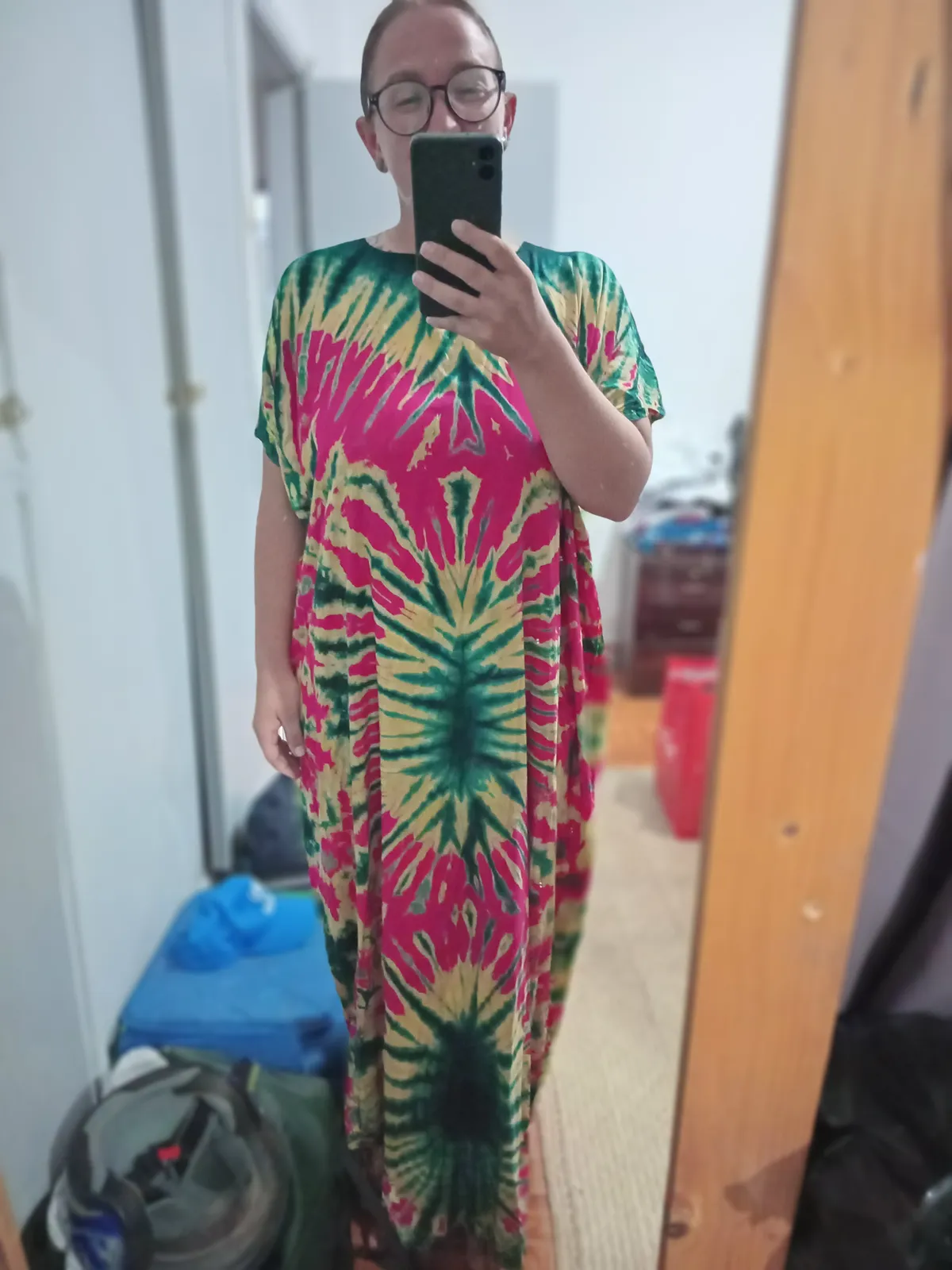
I press on down the street and weave my way through the growing crowd. Lots of the women are shopping in pairs or groups, stopping at various stalls. The sea of people flows around the stalls on all sides, making room for honking taxis navigating giant potholes full of trash. I get to the bottom of the hill at a "T" intersection and find a few indoor stores to explore. These are long hallways which make a U-turn at the back of the building and lead you back to the street. The hallways are packed tight with shoppers browsing the hundreds of stalls contained within the hallways. I find another tie dye dress and it goes into the tote. Despite the intense overstimulation from the crowd, this shopping experience is actually quite fun. The vendors are attentive to me as the only white woman there, but they are not overly pushy.
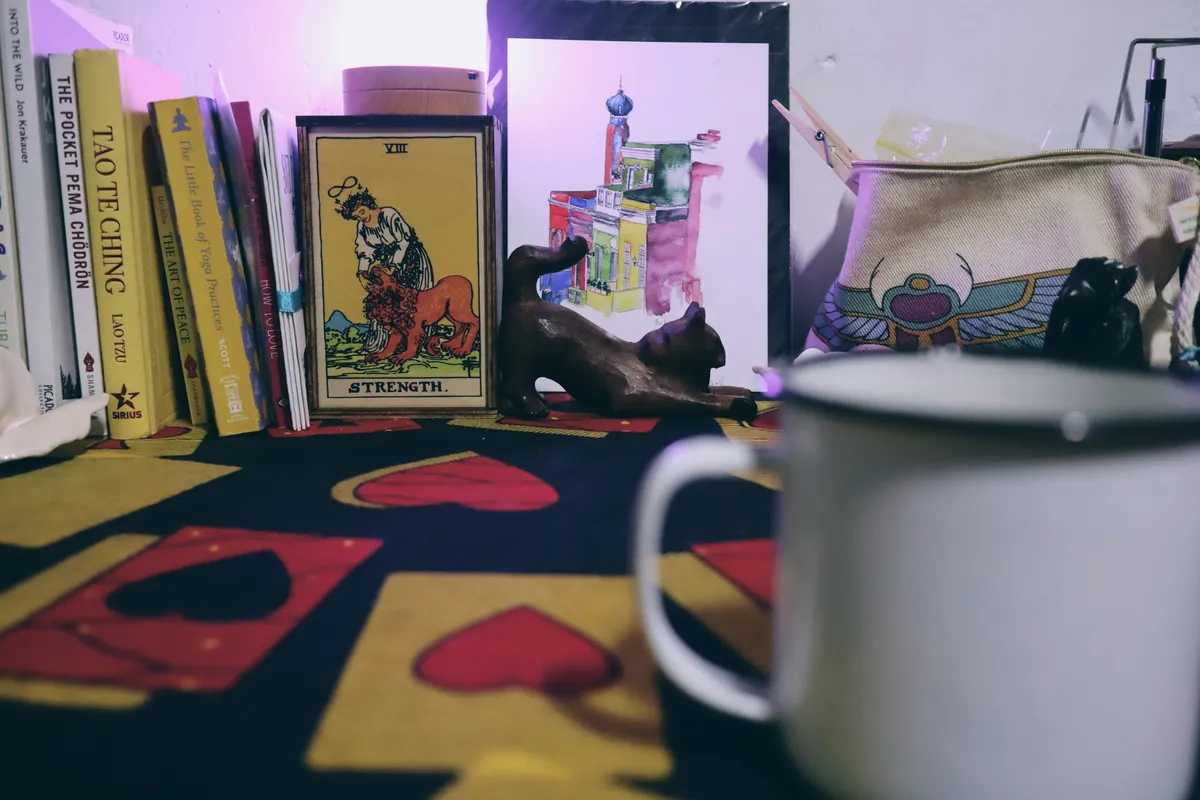
I browse through the thousands of traditional capulana skirts for sale at the market and resolve to return the following day since my decision fatigue is starting to kick in. There is so much product in such a dense area and I find myself wanting everything and nothing at the same time. When I return, I find two different capulana skirts that I like as well as one with a playing card print that I want to use as a tablecloth for my desk at home. It is common here to have tailors sew the capulana material into dresses, skirts, or other garments and I am looking forward to trying this out soon as a next step in my wardrobe transformation. For now, I have been using the material in the traditional wrap method that millions of Mozambiquan women use every day. I like to think that every day I wear one, I inch deeper into their reality and fit a little better into their culture.
So after a full weekend of shopping, I have gotten two bras, two dresses, and two skirts to help carry me through this skin war. It is a huge relief having the dresses so that while I am home I can just be comfortable and breezy. The skirts are great for when I'm going into the village and can be loosened to be more comfortable when I am sitting down in class or on a motorcycle. On top of the physical benefits, I am also reaping the social benefits of my new clothes. I am getting positive reactions from my neighbors and I am feeling more accepted in the company of women. I have made my first few female friends, which feels like a huge step.
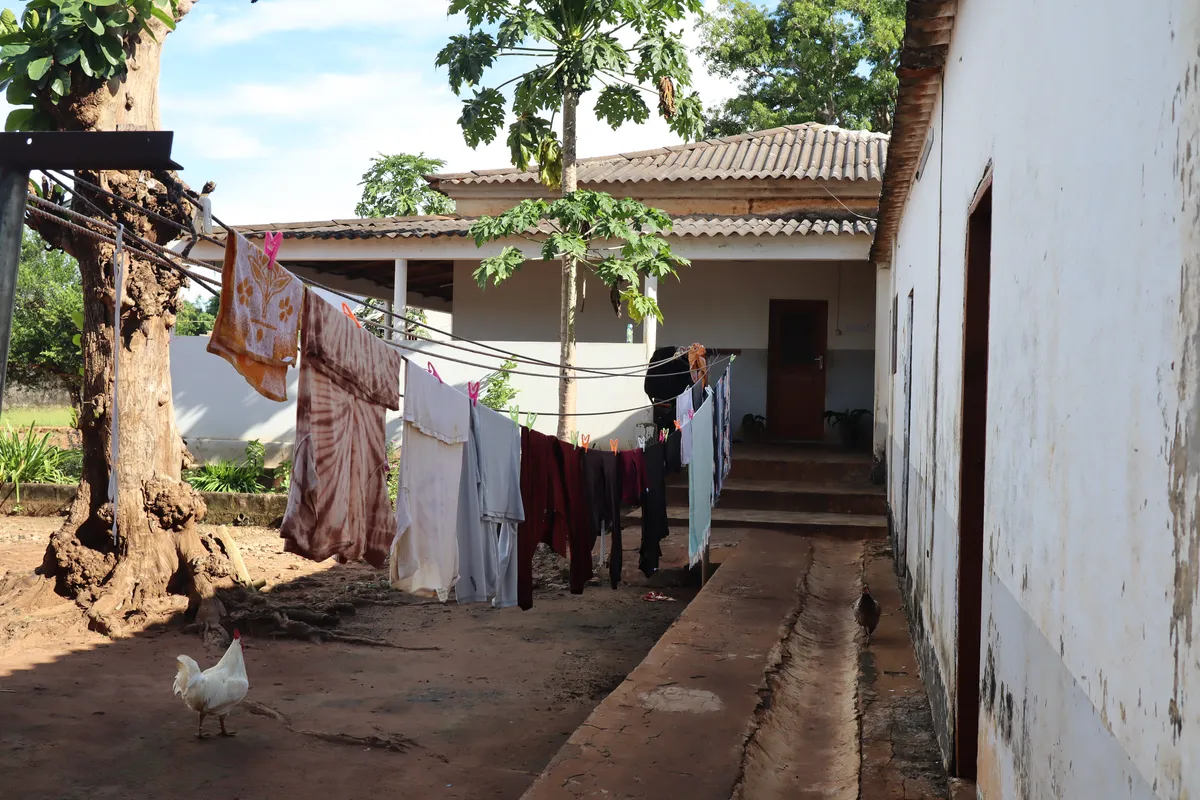
The prevailing theory during the second month of the skin war is that the hives are temperature related. I do my best to manage my sun exposure and cool myself with water on my face and feet during the peak heat of the day. However, as the weeks progress into "fall" weather here, the rashes are still coming up in the evening when weather is pleasantly cool. As the 8 week mark approaches, I decide to go to the city to get checked out.
I show up at the private clinic with no appointment and get a consultation with a doctor within 30 minutes. Basic vitals are taken and then I go through the story of the rashes and show some pictures. They order blood work, which comes back fairly normal and order me a script for Prednisone. For the doctor visit, the blood work, and the Prednisone combined I pay about $45. I am nervous about taking such a strong steroid, but they recommend only taking it for 5 days and then reassessing. Within two days of starting the Prednisone, all of my symptoms subside. I am no longer itching, I am no longer groggy because I don't need my antihistamines, and my skin is actually feeling like skin instead of paper.
In the first month of battle I did a lot of reading about the immune and nervous systems as I wanted to know more about histamine and what the Cetrizine was doing to my body. As the second month came to a close and I was on Prednisone, I began reading more about the adrenal system. This is when I read about cortisol resistance and stress hives. Similar to how type 2 diabetics become resistant to insulin, the body can also become resistant to cortisol. Symptoms of cortisol resistance include chronic inflammation, immune dysfunction, weight gain in belly and face, chronic fatigue, thinning skin, and sugar cravings. Despite not being able to medically confirm that this is a stress-related issue, I suddenly feel a wash of relief that something finally makes sense. None of the other suggested causes quite fit my symptoms, and it bothered me that I may never know what was going on inside me. In looking back at pictures and notes, I noticed that my skin was at its worst while travelling to the city or across the border for visas. This had debunked a lot of environmental factors, but made perfect sense with the stress theory. It turns out, the attack was coming from inside this whole time.
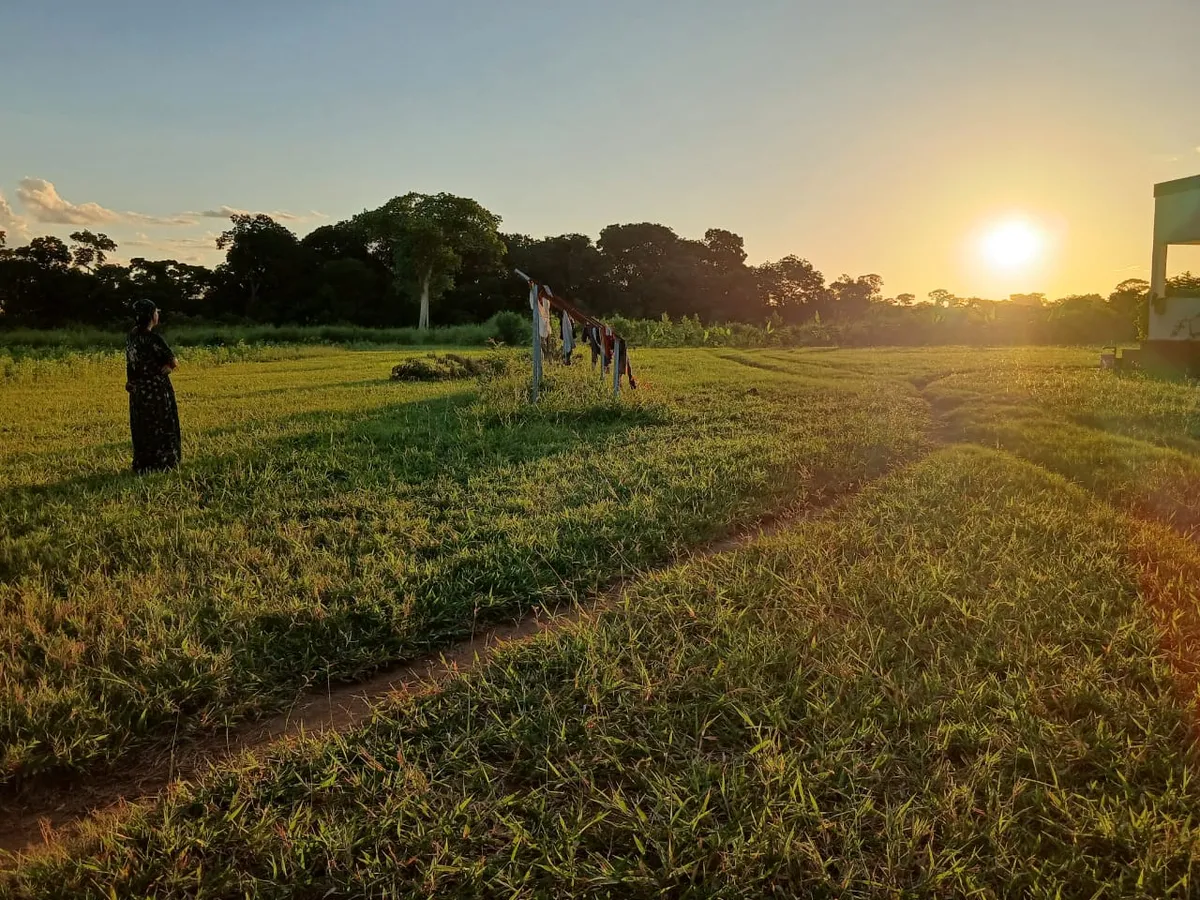
The beautiful and also terrible thing about managing stress-induced health issues is that there is no pill. Yes, you can take Prednisone for a week, which tricks your adrenal glands into not making cortisol for a while, but you can only do that for so long without severe side effects. So then it falls to me. I finally found an answer, and the answer is that I need to get back to managing my mental health.
I had become so focused on the physical, that I lost sight of the bigger picture. Oddly enough, I would say my last job was much more stressful than this one. But, that was in a different climate, surrounded by my support system, and one which I left behind every night when I went home. My new reality has my body working overload just to keep myself safe, hydrated, and fed. And on top of that, I am learning two languages and living a world away from everything familiar.
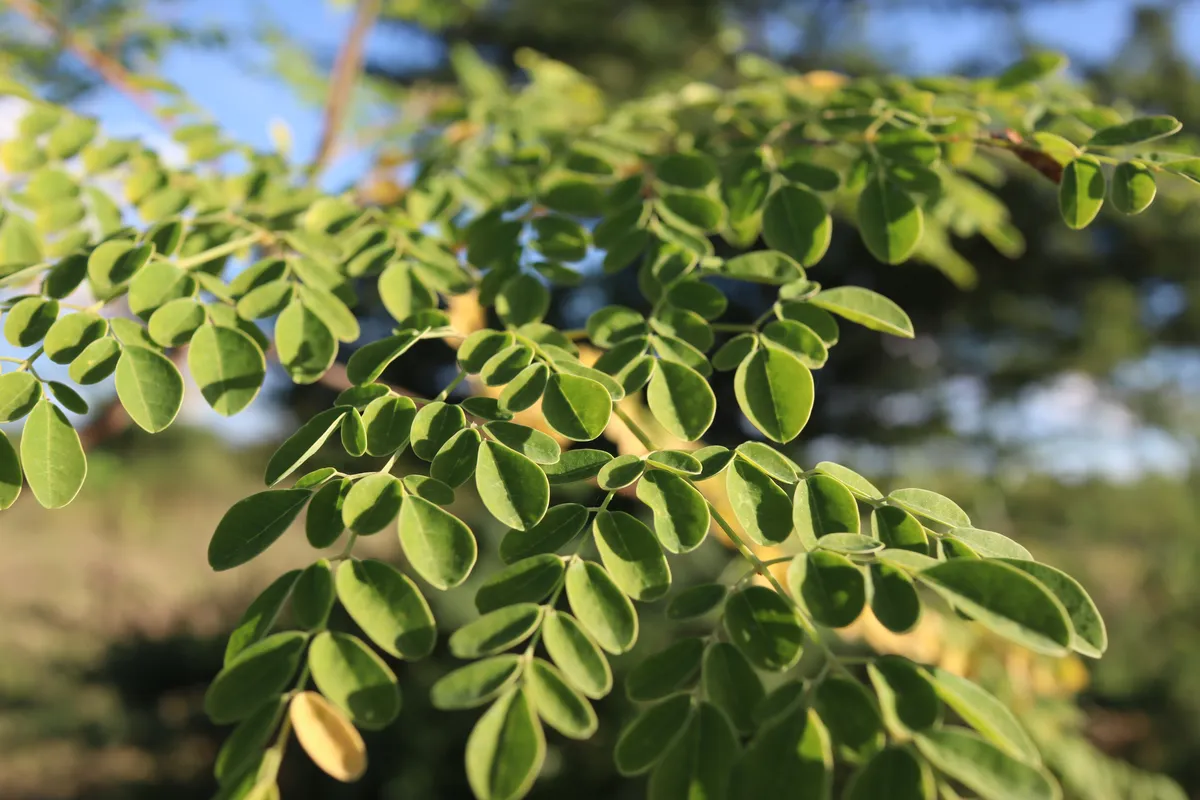
I take a week to create a new workout routine which primarily focuses on stretching and yoga. I start listening to more music again, and get back into meditation. I splurge on buying fresh ginger, fresh tumeric, and local honey in the city. I also get moringa oil at the pharmacy as well as fresh moringa leaves from the farm. I build myself an evening tea ceremony. After two months of only using water and pure glycerin soap, I begin using moringa oil on my skin and my hair. I get back into journaling, which had dried up during the worst of the war. I reach out to more stateside friends and family, trying to focus on audio messages and video calls instead of just emails and texts.
I am terrified to come off of the Prednisone, but I taper the dose after the week is out and find my skin is just fine. Taking care of myself with all my newly built habits feels a bit like a full time job, but it seems that is what it takes to recover from an ego death as intense as this one. Not only am I becoming a whole new person psychologically through this experience, but my body is going through a physical transformation as well. Systems are being tested and strength built as I acclimate to new challenges every day. This experience with my skin was a not-so-gentle reminder that all of my systems are connected. Mind, body, and soul work together to keep me well only if I nurture each one intentionally.
The new clothes are helping me make new new connections and feel a stronger sense of belonging. No longer am I only wearing my brown and maroon clothes of my carefully curated capsule wardrobe I built in the states. Adorned with bright, colorful African prints I feel more myself than in my American clothes. I am exploring identity, navigating new spaces, and building a reflection I can recognize again.
I have had a couple flares on stressful days, especially on my most recent trip to Malawi (more on that saga in a later post) and my heartburn still hasn't fully subsided. But as long as I am managing my peace, there is no skin battle. My body was ringing all the emergency alarms it knew how to ring, but like rapid-fire Makhua I did not understand what it was saying. Once I finally got the message, I stopped fighting and instead focused on nurturing. It is a lot of work, but as I learn how to be healed by this land, find belonging in this place, and strengthened by this experience, I am beginning to think this year may hold potential for the best version of me yet.
Warrior Spirit
Sorrowful tenderness
Found in the quivering
Fear deep within. That
Shakiness allowing
Denser parts of the
Body to settle, separate
Instead of seethe.
Wakeful tenderness
Gives way to peace
As the clouds of
Hopelessness clear
Revealing the spirit
Never diminished
Only obscured.